
Ledger.com/Start® | Getting started®™ — Ledger Support
Start at Ledger.com/start to prepare your Ledger hardware wallet and explore tools for account setup, asset management, balances, and transfers.
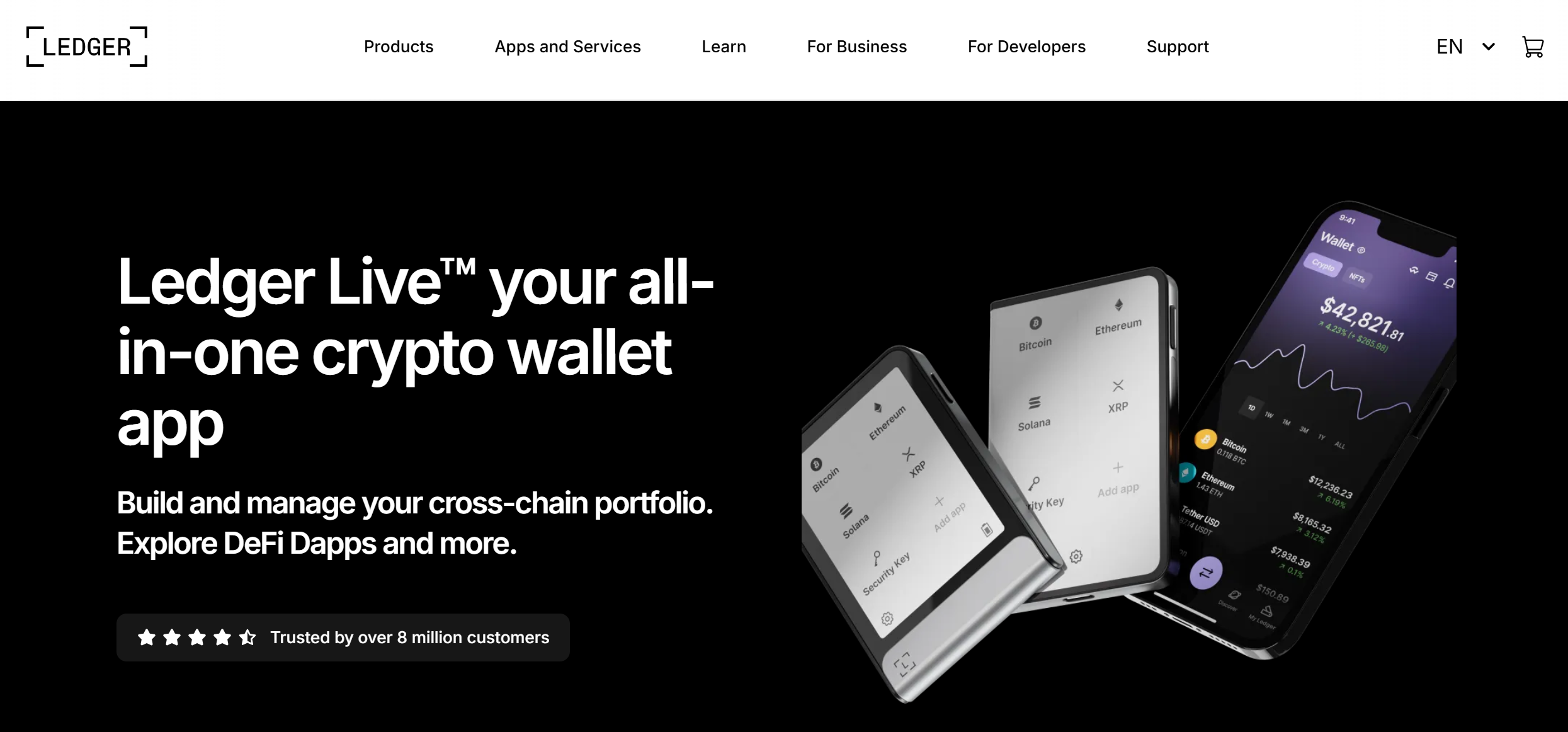
Ledger.com/start: Step-by-Step Guide to Ledger Wallet Setup
A hardware wallet provides a dedicated way to manage cryptocurrency, but the first setup should be completed carefully. For users preparing a Ledger device, Ledger.com/start can help organize the initial process and introduce important security practices.
Whether you are completely new to hardware wallets or moving from another wallet, understanding the setup stages before beginning can make the experience smoother.
1. Prepare Everything Before Setup
Have your Ledger device, compatible computer or mobile device, and required connection accessories ready. Choose a private environment where you can concentrate on the setup process.
Avoid sharing your screen or allowing another person to watch sensitive information while configuring the wallet.
2. Follow the Setup Instructions
Open the appropriate Ledger setup resources and follow the instructions for your specific device. Connect the hardware wallet and pay attention to the information displayed directly on the device.
You may need to configure a PIN or choose whether to create a new wallet or restore an existing one. Select the option that matches your situation and follow each instruction carefully.
3. Record Your Recovery Details
If your device provides a recovery phrase, record it exactly as shown. This information should remain private and should not be stored in ordinary digital notes, cloud documents, emails, or screenshots.
Store the written recovery information in a secure location that you can access when necessary. Treat it as highly sensitive wallet information.
4. Learn the Ledger Interface
After completing the initial configuration, spend some time exploring the available wallet software. Understanding where accounts, balances, settings, and transaction information appear can help you become more comfortable with everyday wallet management.
It is also useful to learn how transaction confirmations work before sending cryptocurrency.
5. Review Transactions Carefully
When using a hardware wallet, always check important transaction details before confirming them on the device. Pay attention to the recipient information, network, and amount.
Never approve a transaction simply because a website or application tells you to do so. The information displayed by the hardware wallet should be reviewed before confirmation.
Why Security Matters
The convenience of managing cryptocurrency comes with the responsibility of protecting private wallet information. Using Ledger.com/start as the beginning of your setup journey and developing careful security habits can help you approach wallet management more confidently.
Final Thoughts
Setting up a Ledger wallet does not have to be difficult. By following the Ledger.com/start process, protecting recovery information, checking device prompts, and learning the wallet interface, new users can build a clear routine for managing their digital assets.
Updated 1 day ago